
Which Window Shades Actually Hold Up in Florida's Climate?
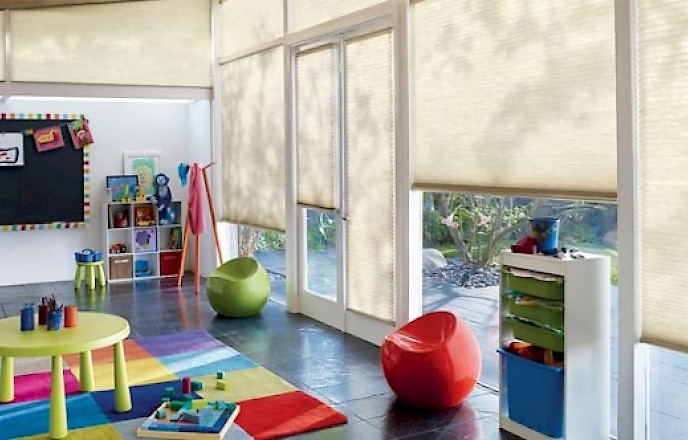
Florida’s climate asks more from window shades than simply controlling how much light enters a room. In Tampa, long periods of strong sun, heat, and humidity can expose fabrics and operating components to conditions that reveal weaknesses over time. Solar shades, well-made roller shades, cellular shades, and carefully selected motorized systems can all hold up well, but the material and window exposure ultimately determine how suitable each option is. I’ve found that choosing window shades for Florida means looking beyond style and considering what they will face every day.
A west-facing living room can receive intense afternoon sun, while a bathroom presents a completely different challenge because moisture becomes a bigger concern. Large expanses of glass can also place more heat and UV exposure on a shade than a smaller window in a protected room. Even two shades of the same style may age differently when one spends hours in direct sunlight and the other rarely does. Material composition, construction quality, window orientation, and room conditions therefore matter just as much as the name of the shade itself.
To help you choose window shades that make sense for Florida conditions, I’ll break down the strengths, limitations, and best applications of these options:
- Solar shades
- Roller shades
- Cellular shades
- Woven wood shades
- Motorized shades
- What determines how long a shade holds up?
We’ll begin with solar shades, a category specifically designed to manage sunlight and UV exposure while preserving varying degrees of outward visibility.
Solar Shades
Solar shades are particularly well suited to Florida because they address one of the toughest conditions at the window: prolonged exposure to intense sunlight. Their woven screen fabrics filter UV rays and reduce glare while still allowing you to see outside, which makes them useful for living rooms, home offices, and other spaces where completely covering the view would feel restrictive. I often consider them first for south- or west-facing glass, where Tampa’s sun can become especially noticeable as the day progresses. Choosing a quality screen fabric designed for sustained UV exposure also helps your shades withstand those conditions over time.
The fabric’s openness factor has a major influence on how the shade performs. A lower percentage means a tighter weave that provides greater glare and UV control, while a higher openness percentage preserves more daylight and a clearer outward view. For example, a lower openness level may make more sense when afternoon glare is your main concern, while a more open weave can suit a room where keeping the outdoor view matters more. Material matters just as much, since UV-stable synthetic screen fabrics generally make more sense under sustained Florida sun than delicate materials that can fade or deteriorate more readily. Looking at both factors helps you choose for the conditions at your window rather than relying on appearance alone.
Durability, however, does not mean solar window shades solve every problem. The open weave that preserves your daytime view also limits privacy after dark, when interior lights make the room easier to see from outside. Solar shades filter light rather than creating the darkness you would expect from a blackout treatment, so bedrooms and media rooms may need a different shade or a layered solution. When choosing them for your home, consider the direction each window faces, how much afternoon glare reaches the room, and how strongly you want to preserve the view. A solar shade holds up best when its fabric and openness level match the actual exposure and demands of that particular window.
Roller Shades
With roller shades, the fabric usually tells you more about long-term durability than the simple mechanism behind it. Performance fabrics made from durable synthetic materials generally stand up better to intense UV exposure than delicate textiles that may fade or weaken over time. The streamlined design also uses relatively few moving parts, leaving the shade material itself to take most of the daily exposure to sunlight and heat. Choosing for durability means paying attention to UV resistance and fabric stability rather than judging the material by color or pattern alone.
Light control gives you considerably more flexibility than you might expect from such a simple shade. Light-filtering fabrics soften bright daylight while maintaining an airy feel, whereas room-darkening and blackout materials provide greater coverage for bedrooms, nurseries, and media rooms. Darker or more opaque fabric does not automatically mean greater durability, though, so the material specifications still matter. Humidity adds another reason to consider moisture-resistant fabrics in bathrooms, kitchens, and other areas where damp conditions occur more often. Keeping those needs separate helps you avoid choosing one roller fabric and expecting it to perform equally well at every window.
Size becomes another important consideration when you’re choosing roller window shades for wide panes of glass or large sliding doors. Bigger shades place more weight and tension on the roller, brackets, and operating mechanism, so hardware quality becomes increasingly important as the opening grows. I also look at how frequently a large shade will move because repeated operation can expose weak hardware or an undersized roller much sooner. Motorization can make these larger treatments easier to operate consistently without repeated pulling or uneven handling. Fabric, sun exposure, humidity, shade dimensions, and operating frequency together provide a much clearer picture of how well a roller shade can handle years of use in Florida’s climate.
Cellular Shades
The honeycomb construction of cellular shades gives them an advantage when heat transfer through the window is a major concern. Their pockets trap air between the room and the glass, adding an insulating layer that can help reduce unwanted heat gain during Tampa’s long cooling season. Single-cell and double-cell designs provide different levels of insulation, but more cells do not automatically make a shade the better choice for every window. Fabric weight, shade size, window dimensions, and the amount of direct sun all affect how the treatment functions. In a room that heats up noticeably during the day, those details deserve more attention than cell count alone.
Humidity introduces a different consideration because cellular shades rely on pleated fabric that needs to retain its shape. Quality synthetic and moisture-tolerant materials generally make more sense in Florida than fabrics that readily absorb moisture or lose their structure in damp conditions. Bathrooms and other consistently humid spaces require particular care, especially when a shade sits close to a shower or frequently encounters condensation. I tend to reserve cellular shades for conditioned interior spaces where their insulating design provides a meaningful benefit without subjecting the fabric to persistent moisture. A different treatment may prove more practical when direct water exposure becomes part of the daily environment.
Among window shades, cellular designs therefore make the strongest case in bedrooms, living areas, home offices, and other air-conditioned rooms where comfort and light control matter alongside durability. Light-filtering versions can soften harsh daylight, while room-darkening fabrics give you greater control in spaces where reducing incoming light matters more. Proper sizing also matters because gaps around the shade allow more light and heat to pass around its edges, reducing some of the benefit you chose the honeycomb construction to provide. Consider the shade as part of the entire window rather than judging its performance by fabric alone.
Woven Wood Shades
Natural texture gives woven wood shades much of their appeal, but Florida humidity makes material selection especially important. Bamboo, reeds, grasses, and other natural fibers can react to moisture differently than synthetic shade fabrics, with prolonged humidity potentially contributing to changes in shape or appearance. An air-conditioned living room presents a much friendlier environment for these materials than a bathroom that regularly fills with steam. Woven wood can still work beautifully in the right setting, but you need to consider how much moisture the shade will encounter before choosing it solely for its appearance.
Sun exposure presents another challenge, particularly when natural fibers spend hours against bright glass. Over time, UV exposure can contribute to fading or color changes, and the degree will vary with the material, weave, and window orientation. A liner can add light control and privacy while reducing the amount of direct sunlight passing through the woven material. My preference for especially humid or heavily sun-exposed rooms is to compare natural fibers with synthetic woven-look materials rather than assume genuine woven wood will automatically be the better choice. Synthetic alternatives can give you a similar textured appearance while offering greater resistance to some of the conditions that can be hard on natural materials.
Woven window shades also require you to think about privacy differently because open weaves can leave small gaps between fibers. Adding a privacy or room-darkening liner can address that issue, although it changes how much light passes through and alters the shade’s overall appearance from inside the room. Material quality matters here because natural variation is part of woven wood, while warping, weakening, or excessive fading are durability concerns rather than design characteristics. In Florida, these shades tend to fare better when you match the material to a relatively dry interior room and account for the amount of direct sun reaching the window.
Motorized Shades
Motorization changes how you operate a shade, but it does not make the fabric itself more resistant to Florida’s heat, humidity, or sunlight. A solar fabric that handles strong UV exposure well retains those qualities when motorized, while a material poorly suited to a damp room does not suddenly become more durable because a motor raises it. Where motorization can help is consistency. Programming shades to lower during the strongest hours of sun can limit the amount of solar heat and glare entering through exposed windows. You also avoid repeatedly pulling on the fabric or operating mechanism by hand.
Large windows and sliding glass doors make that advantage more noticeable. Wider treatments carry more weight, and frequent manual operation can place added stress on rollers, brackets, cords, or chains over time. Motorized window shades use a controlled mechanism to raise and lower the treatment, which can be especially practical for tall, wide, or hard-to-reach openings. They also allow you to manage several sun-exposed windows together rather than adjusting each shade as conditions change throughout the day. Reliable operation still depends on choosing a motor and hardware rated for the dimensions and weight of the treatment.
In my experience, long-term performance comes down to how well the entire setup works together rather than the motor alone. Fabric choice should suit the window’s sun and moisture exposure, while the roller, brackets, power source, and motor need to accommodate the size and frequency of operation. Battery-powered systems offer installation flexibility but require periodic charging or battery replacement, whereas hardwired systems need appropriate electrical planning. Smart controls and schedules add convenience, but they also introduce components that should remain accessible for troubleshooting or service. A properly matched system gives you the benefits of automation without asking the motor or hardware to handle more than it was designed for.
What Determines How Long a Shade Holds Up?
Shade type only tells part of the durability story. Two identical window shades can age very differently depending on where they hang, how often you use them, and the conditions they face every day:
- Sun Exposure: Hours of direct sunlight can fade certain fabrics and place added stress on materials near the glass. South- and west-facing windows typically call for greater attention to UV resistance than windows that receive little direct sun.
- Heat at the Glass: Temperatures immediately beside sun-exposed glass can become much warmer than the rest of the room. Fabrics, coatings, adhesives, and operating components all need to tolerate the conditions created in that small space.
- Humidity and Moisture: Persistent humidity can affect materials that absorb moisture or struggle to retain their shape. Bathrooms, kitchens, and other damp spaces may need more moisture-tolerant fabrics than conditioned living areas.
- Shade Size: Wide and tall shades place greater loads on rollers, brackets, lift systems, and mounting points. My recommendation is to match the hardware carefully to the treatment’s dimensions and weight rather than assuming a durable fabric alone will ensure longevity.
- Operating Frequency: A shade you adjust several times every day puts more wear on its operating components than one that rarely moves. Frequently used treatments benefit from mechanisms designed to handle repeated, consistent operation.
- Installation Quality: Poor alignment can cause a shade to track unevenly, telescope on the roller, or place unnecessary strain on its components. Accurate measurements, secure mounting, and proper setup become even more important as the treatment gets larger.
- Cleaning and Care: Dust and debris can accumulate on fabrics and moving components, but cleaning methods vary by material. Following the care instructions for your specific shade helps you avoid moisture, cleaners, or handling methods that could damage it.
Florida’s climate does not automatically rule out a particular shade category. Long-term durability depends on how well the fabric, hardware, dimensions, operating system, and installation suit the conditions at each window.
Conclusion
Florida’s sun, heat, and humidity can be demanding on window treatments, but durability depends on more than picking one shade type over another. Solar shades excel at managing intense exposure, while roller, cellular, woven wood, and motorized options each make sense under the right room and window conditions. When choosing window shades, pay close attention to fabric construction, moisture tolerance, UV exposure, hardware, and the size of the opening. My approach is to weigh those details together because a material that performs reliably in a shaded bedroom may face very different challenges beside hot, sun-filled glass. Matching the treatment to the conditions at each window gives you a much better foundation for long-term performance