
What Affects the Cost of Plantation Shutters?
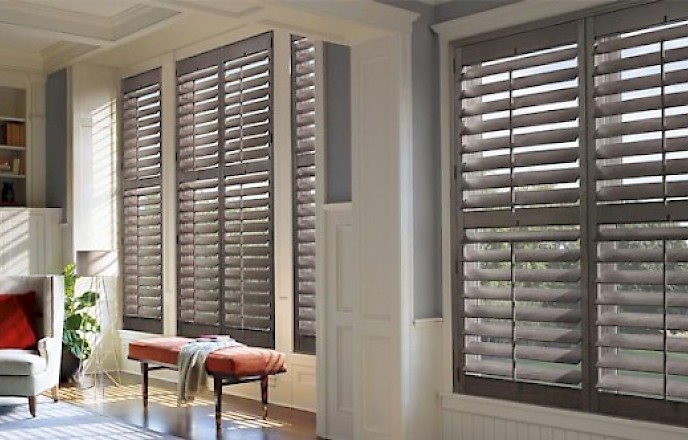
Plantation shutters are one of those home upgrades that consistently deliver on both aesthetics and function, and it's easy to see why they've remained a popular choice among homeowners for so long. They add a clean, timeless look to any room, offer excellent light control and privacy, and hold up remarkably well over time compared to other window treatment options. For many homeowners, they're not just a purchase but a long-term investment in the comfort and value of their home, and in my experience, few window treatments come close to matching what plantation shutters bring to the table.
That said, one of the first questions that comes up when people start exploring plantation shutters is why the pricing can vary so much from one quote to the next. The truth is, the cost of plantation shutters isn't determined by a single factor but by a combination of variables that can push the price up or down depending on your specific situation. Understanding what those variables are is the best way to approach the buying process with confidence and avoid any surprises along the way.
Here's a breakdown of everything that goes into the cost of plantation shutters, including:
- Material type
- Shutter size and window dimensions
- Louver size
- Frame and panel configuration
- Custom vs. standard sizing
- Installation complexity
- Finish and color options
- Motorization and smart home integration
Keep reading to find out exactly what's driving the price of plantation shutters and how each factor applies to your home.
Material Type
Of all the factors that influence the cost of plantation shutters, material type tends to have the most significant impact on price, and it's usually the first decision you'll need to make. The three most common options are solid wood, faux wood, and poly or vinyl, and each one comes with its own set of strengths, limitations, and price points. Getting this choice right from the start sets the tone for everything else that follows.
Solid wood shutters sit at the higher end of the price spectrum, and for good reason. They're beautiful, durable, and offer a warmth and richness that other materials simply can't replicate. They're also paintable and stainable, which gives homeowners a lot of flexibility in terms of finish and color. The trade-off is that solid wood is more sensitive to humidity and moisture, which makes it less ideal for bathrooms, kitchens, or any space that sees significant changes in temperature and humidity levels throughout the year.
Faux wood and poly shutters, on the other hand, are specifically engineered to handle moisture-heavy environments without warping, cracking, or fading over time. They tend to cost less than solid wood while still delivering a clean, polished look that works well in most home settings. For homeowners who want the aesthetic appeal of plantation shutters without the premium price tag of real wood, faux wood and poly options offer a practical and attractive middle ground that's worth serious consideration.
Shutter Size and Window Dimensions
It probably comes as no surprise that the size of your windows plays a direct role in how much your plantation shutters will cost. Larger windows require more material, more labor, and in many cases, more structural support to ensure the shutters hang and operate correctly. What does catch some homeowners off guard, though, is just how quickly the cost can climb when you're dealing with multiple large windows or an open-plan home with oversized openings.
Standard-sized windows tend to be the most straightforward and cost-effective to fit. Shutters for these windows are easier to manufacture, easier to install, and less likely to require any special engineering or reinforcement. Once you start moving into larger territory, particularly with floor-to-ceiling windows, wide picture windows, or sliding door openings, the complexity and cost of the project increases accordingly.
The total number of windows you're outfitting matters just as much as the size of each individual one. Covering a single room is a very different budget conversation than outfitting an entire home, and I'd encourage you to think about the full scope of what you want done before requesting quotes. Many shutter providers offer better pricing on larger orders, so getting a whole-home quote upfront can sometimes work in your favor more than tackling one room at a time.
Louver Size
Louver size is one of those details that a lot of first-time shutter buyers don't think much about upfront, but it ends up being one of the more meaningful decisions you'll make, both for how your shutters look and what they cost. Louvers are the horizontal slats that run across the shutter panel, and they come in a range of sizes, typically between 2.5 inches and 4.5 inches, with some specialty options going even larger.
Smaller louvers, like the 2.5-inch option, tend to be more affordable and work well in compact spaces like bathrooms or smaller windows where a finer, more traditional look is desirable. As louver size increases, so does the cost, partly because larger slats require more material and partly because they're more complex to engineer and install correctly. The 3.5-inch louver sits in a sweet spot that many homeowners gravitate toward, offering a clean, contemporary look without a significant jump in price.
The 4.5-inch louver is the largest standard option and tends to be the most popular choice for living rooms, bedrooms, and larger windows where an open, airy feel is a priority. It also offers the clearest view to the outside when the louvers are open, which is a detail that matters more than people often expect once they're living with their shutters day to day. The price difference between louver sizes isn't always dramatic, but it's worth factoring in, especially when you're outfitting multiple windows across a whole home.
Frame and Panel Configuration
How your shutters are framed and configured is another area where costs can shift quite a bit depending on what you choose, and it's one I find homeowners are often least familiar with going into the buying process. The frame is the border that surrounds the shutter panel and attaches to the window, while the panel configuration refers to how the shutters themselves are divided and arranged within that frame. Both decisions have a direct impact on the final price.
Full-height panels, which run the entire length of the window in a single uninterrupted panel, are the most straightforward configuration and tend to be the most cost-effective. Café style shutters, which only cover the bottom half of the window, are another option that can bring the cost down while still offering privacy at eye level. Tier-on-tier configurations, where the top and bottom panels operate independently of each other, offer the most flexibility in terms of light and privacy control but come at a higher price point because of the added complexity involved.
Specialty window shapes are where frame and panel costs can really start to climb. Arched windows, bay windows, angled tops, and other non-standard shapes require custom-built frames and panels that take significantly more time and skill to produce and install. These aren't reasons to avoid plantation shutters for those window types, but they are important to factor into your budget early in the process so the final quote doesn't come as a surprise.
Custom vs. Standard Sizing
Most plantation shutters are available in both standard and custom sizes, and the distinction between the two is one of the more straightforward cost factors on this list. Standard sizing refers to shutters that are manufactured in predetermined dimensions and are designed to fit the most common window sizes found in residential homes. Custom sizing, as the name suggests, means the shutters are built specifically to the exact measurements of your windows.
Standard shutters are generally less expensive because they're produced in volume and don't require the same level of individual attention during manufacturing. They're a perfectly viable option for homes with windows that fall within common size ranges, and for homeowners working with a tighter budget, they're worth exploring before assuming custom is the only route. The savings can be meaningful, particularly when outfitting multiple windows at once.
The reality for many homeowners, though, is that their windows don't always conform to standard dimensions, and that's where custom sizing becomes not just an option but a necessity. Older homes, properties with architectural details, and windows that have been modified over the years are all situations where custom shutters are often the only way to achieve a proper fit. Going custom does add to the overall cost, but a shutter that fits perfectly looks significantly better and functions more reliably than one that's been forced to work within dimensions it wasn't designed for, and that difference is hard to ignore once you've seen it firsthand.
Installation Complexity
The cost of installing plantation shutters isn't always given as much thought as the shutters themselves, but it's a line item that can vary quite a bit depending on the specifics of your home and your windows. A straightforward installation on standard rectangular windows in a newly built home is a very different job from fitting shutters on older windows with uneven frames, difficult access, or unusual architectural details. The more complex the installation, the more time and skill it requires, and that naturally affects the final cost.
Several factors can push installation costs higher than expected. Windows that are out of square, walls that aren't plumb, or frames that have been painted over multiple times can all create challenges that add time to the job. Multi-story homes where upper-floor windows require additional equipment or safety measures, and spaces with limited access like stairwells or vaulted ceilings, also tend to come with higher installation costs that are worth asking about upfront.
DIY installation is technically an option for handy homeowners, and some shutter manufacturers do offer products designed with self-installation in mind. Plantation shutters are a precision product, though, and a poorly executed installation can affect how they look, how they operate, and how long they last. Professional installation adds to the upfront cost, but it also comes with the assurance that the job is done correctly the first time, and for an investment of this size, that peace of mind is genuinely worth factoring into the equation.
Finish and Color Options
Most people assume that choosing a color for their plantation shutters is a simple decision that doesn't have much bearing on cost, but the finish and color you select can actually move the price more than you'd expect. Standard white and off-white finishes are the most widely produced and therefore the most affordable, partly because they're manufactured in higher volumes and require less customization during the production process. Stepping outside of those defaults is where costs start to climb.
Custom paint colors and stained wood finishes require additional preparation, more precise application, and in many cases, longer production times. A stained finish on solid wood shutters, for example, involves a more labor-intensive process than a standard painted finish and typically commands a higher price as a result. The visual payoff can be significant, particularly in homes where the shutters are meant to complement natural wood tones in the flooring or cabinetry, but it's worth going in with realistic expectations about what that upgrade will cost.
Specialty finishes like distressed looks, two-tone color combinations, or hand-painted details sit at the higher end of the finish pricing spectrum. These are niche options produced in much smaller quantities, which naturally drives up the cost. A standard or semi-custom finish strikes the right balance between aesthetic impact and value for most situations, but knowing that these premium options exist and what they cost is useful context when sitting down to review quotes.
Motorization and Smart Home Integration
Motorized plantation shutters are still a relatively new addition to the market, and I'll be honest, the technology has come a long way in a short period of time. What was once considered a luxury feature reserved for high-end custom builds has become increasingly accessible, with more manufacturers offering motorization as an add-on option across a wider range of shutter styles and price points. It's an upgrade worth understanding before you dismiss it as out of reach.
The cost difference between standard and motorized shutters varies depending on the manufacturer and the scope of the installation, but it's generally a meaningful jump from the base price. Each motorized panel requires its own motor, wiring or battery pack, and in some cases a hub or controller, all of which add to the overall cost. Larger homes with many windows can see the price of motorization add up quickly, so it's worth getting a clear breakdown of what the upgrade costs per window before committing.
Where motorization tends to justify its price is in hard-to-reach windows, large installations where manually adjusting multiple shutters throughout the day becomes impractical, and homes that are already set up with a smart home system. Compatibility with platforms like Google Home, Amazon Alexa, and Apple HomeKit is increasingly common, and being able to control your shutters with a voice command or a phone app is a convenience that resonates with a lot of tech-forward households. Whether the upgrade is worth it comes down to how you live in your home and how much value you place on that added layer of convenience.
Conclusion
The cost of plantation shutters is rarely a one-size-fits-all number, and hopefully this breakdown has made it clear why that's the case. From the material you choose and the size of your windows, to the finish, configuration, and whether you opt for motorization, every decision you make along the way contributes to the final price in its own way. Going into the buying process with a clear understanding of these variables puts you in a much stronger position to set a realistic budget, ask the right questions, and ultimately choose an option that delivers the best value for your specific home and needs.